3 types of emails every pharma marketer should know about
We know it is not new. We know it is not the channel that makes everyone in the room lean forward when the annual brand plan is presented. And we know that “let’s send an email” can sound a bit too easy.
But that is exactly why email deserves a prominent spot in your channel mix.
Email is still underrated in pharma marketing.
Email is relatively cheap to use. It is easy to measure. It can support both marketing and sales. And, most importantly, it fits the way many physicians prefer to receive information. Because physicians are like the rest of us. They are busy. They are overloaded. They have meetings, patients, admin, guidelines, journals, colleagues, systems, and probably 117 other things fighting for their attention.
But email markting is not a simple discipline – at least not in pharma.
We are still finding our way. Because sending emails is easy. Sending emails that have strategic purpose and are relevant, timely and useful to busy HCPs is much harder.
So we are still practicing…
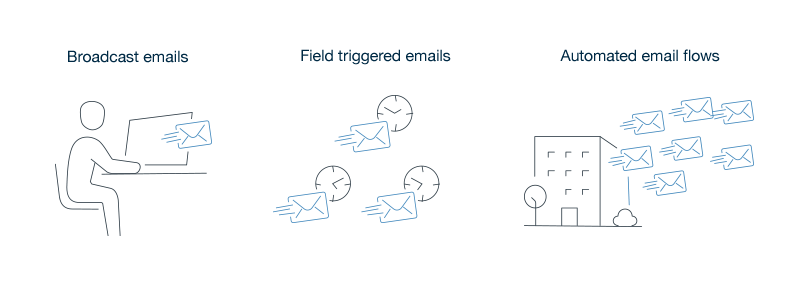
In our experience, there are three types of email pharma marketers should work with. Each has a different role.
1. Broadcast emails
These are the classic 1:many emails most marketers think about first.
Newsletters. Webinar invitations. Product updates. Medical education offers. New content. Key data highlights.
They are useful because they help you reach a broader group. They can create awareness, drive registrations, support launches, and keep your brand or initiative present over time.
But don’t be tempted to say too much. You want to mention the webinar, the new material, the data, the congress booth, the patient leaflet, and the new CEO.
A broader email still needs one clear job. If the goal is webinar registration, make the email about the webinar. If the goal is a download, make the email about the material. If the goal is awareness, make the message clear enough that people actually remember it.
2. Field triggered emails
These are the 1:1 emails sent by reps, KAMs or other colleagues with a direct customer relationship. They can be used before meetings, after meetings, to share requested materials or simply to keep the dialogue moving.
The big benefit is that the rep can work with content that is already approved, well written and compliant. That saves time, reduces the risk of people improvising too much, and makes it easier to keep the message consistent across the team.
But there is a but… If the email feels too generic, the rep will not use it. And with good reason. A field triggered email has to feel like a natural follow up to a real conversation, not like a campaign pretending to be personal.
So try to give the rep solid approved content, but still leave room for a personal touch. The best emails sound like they came from the person who actually had the conversation with the customer. Not from the brand team, the legal department and three rounds of internal comments.
3. Automated email flows
Automated email flows are often used for onboarding or immediate follow up. Someone signs up for a webinar, downloads a material, registers for a portal or joins a newsletter list. Then a planned sequence of emails helps them take the next step.
But in pharma, automated flows can also serve another important purpose. Especially while we are still growing our consent databases. You can develop good long-lasting emails even when you only have a few subscribers, because the same emails will continue to be sent to every new sign up over time.
That gives the content a longer life. A good welcome flow, product introduction or service onboarding sequence can keep working in the background while your audience grows. It means the effort you put into writing and approving the emails is not wasted just because your list is still small.
The catch is that the content cannot be too timely. Automated emails are sent relative to the sign up date, and that sign up date may be tomorrow, next month or six months from now. So you need content that still makes sense later. Less “join our webinar next Thursday” and more “here are three resources for understanding erectile dysfunctioning”.
The more jobs you give an email, the weaker it usually becomes.
The trick is to make them work together
The point is not to choose one type of email and forget the others. You need all three, because they do different jobs. A broadcast email can invite HCPs to your webinar or share a new piece of content. An automated flow can support the customer before and after they engage. And a field triggered email can help the rep continue the discussion with the customers who showed real interest.
They should all be part of your customer journey.
Start with the outcome
Of course, none of this works if your emails do not have a clear purpose. So before you write anything, start by defining the desired outcome of your email marketing activities. Do you want more registrations, more downloads, more traffic to a portal, better follow up after meetings, better brand recognition or stronger relationships with selected customers? If you do not know what you want the emails to achieve, it is very hard to decide what to send.
Then establish a small editorial board with the people who can actually make the content happen. That could include someone from medical, someone from marketing, someone from regulatory, and of course someone who can research, structure and write. Their job is to make sure you have a steady flow of relevant, useful and approvable content.
Build a content plan for at least a year. It does not have to be perfect, and it will definitely change. But you need a plan that gives you an overview of themes, formats, target groups, sendout timing, approval needs and links to other activities such as meetings, webinars, congresses and product updates.
And then meet regularly. Review the content plan. Review drafts for upcoming emails. Look at performance data from previous sendouts. What was opened? What was clicked? What was ignored? What did the field team hear from customers afterwards? Email marketing gets better when you keep practicing, keep learning and keep improving the next sendout.
Latest posts
- Title: Educating patients… and carefully educating their doctors too
- Description: Right now, we are working on two projects with some really clever health te...
- Title: Another lunch meeting. Now what?
- Description: You know the situation.You’ve booked 45 minutes. Lunch is arriving. Every...

- Title: 2 desks available – bring your laptop and good vibes
- Description: From Jan 1, we’ve got two free desks at the Gesundheit office in the Meat...

- Title: Gesundheit was nominated for a PMEA Award
- Description: Every year, PMLiVe rewards "customer-centric business practices that ensure...
- Title: 7 tips for hosting better webinars
- Description: The big thing that pharma marketeers forget about hosting webinars, is the ...
- Title: 4 principles for creating company content on LinkedIn
- Description: LinkedIn is not the channel that will skyrocket HCP communication on social...

- Title: INTERVIEW: The future of pharma marketing
- Description: Our very own Anders Soelgaard had a talk with ex Boehringer Ingelheim Presi...
- Title: 9 takeaways about email marketing
- Description:
We talk a lot about email marketing these days…
And last ...
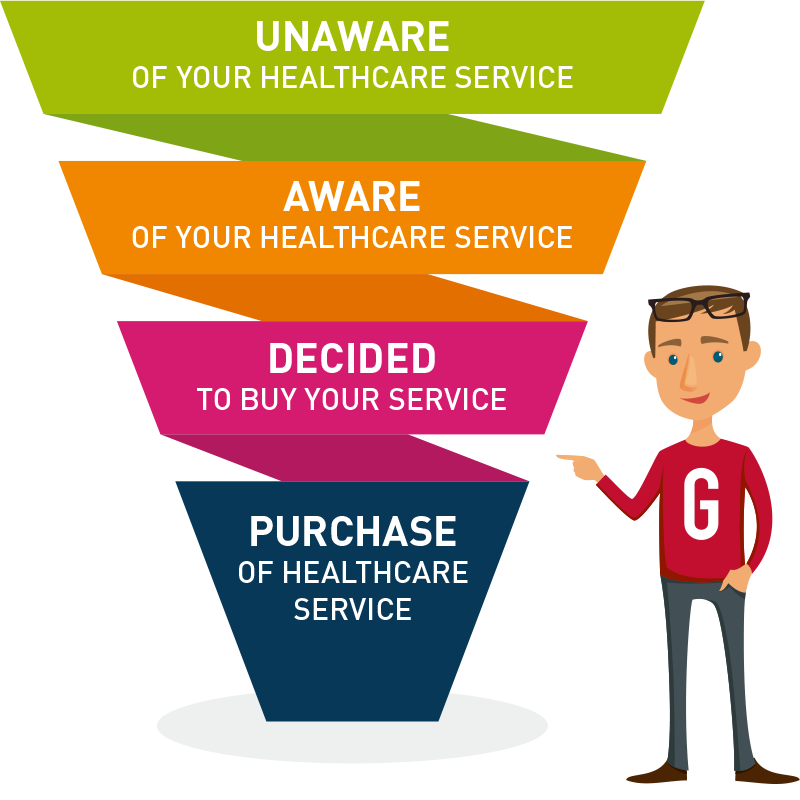
- Title: Patient lead generation is a different beast
- Description: Last month, we focused on lead generation at congresses – mostly aimed at...
- Title: The day Thomas made the client cry
- Description: Not long ago, Thomas made the client cry…
- Title: We’re Going to Milan!
- Description: The first Study Tour was a full-blown success. We are doing it again. Next ...
- Title: Time to rethink congress exhibitions
- Description: In a time with so many obstacles to HCP access, it’s frustrating to see l...
- Title: Lead generation in pharma marketing doesn’t have to be complicated
- Description:
- Title: Sometimes you do work that just feels right…
- Description:
- Title: The Danish Healthcare Reform: What It Means for Pharma Sales Teams
- Description:
- Title: The Matrix… just for you!
- Description:
- Title: Creativity in small spaces
- Description: Has fact-based communication killed creativity in healthcare marketing?
- Title: See the world with Gesundheit Medical Travel
- Description: Last year, Gesundheit Healthcare Marketing welcomed a new addition to the f...
- Title: Slide deck excellence
- Description: At Gesundheit we make tons of presentations. Mostly PowerPoint. But present...
- Title: Why psychology and design matter
- Description: Prioritizing content is key when telling your story to your customers. We c...
- Title: Q&A: Meet the Gesundheiters
- Description: Trine Ørnebjerg, senior project manager
- Title: CONSENTS before CONTENT?
- Description: Lately, we have spent much time with clients talking and thinking about e-m...
- Title: The 3 Firsts in Pharma Marketing
- Description:
Lately we have been preaching a lot.
Preaching about The 3 Firsts i...
- Title: 10 tips for briefing your healthcare agency
- Description: It is time to turn off the automatic OOO reply ? and get back to cruel dail...