Educating patients… and carefully educating their doctors too
Right now, we are working on two projects with some really clever health tech. Both aim to help people with common but often life-disrupting conditions finally get the help they need.
We are doing patient awareness to help more patients get the treatment they deserve.
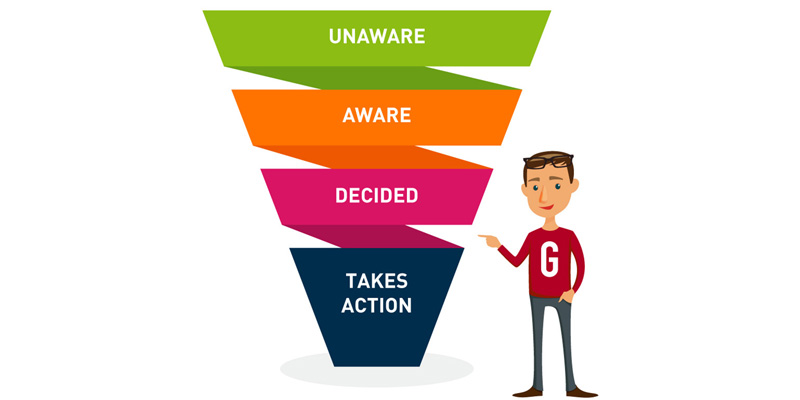
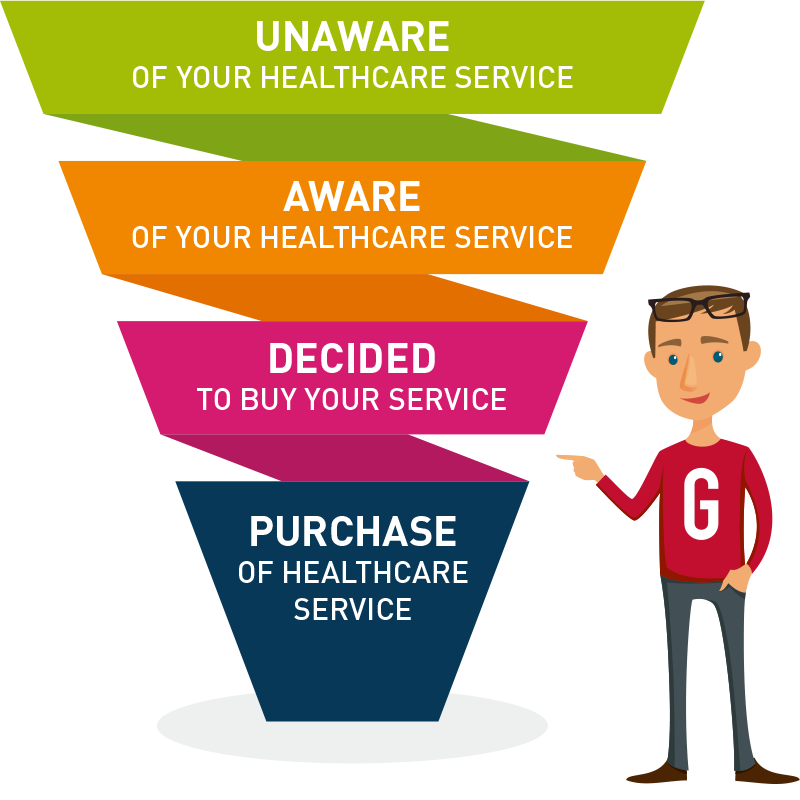
The tricky thing is that the patient funnel is loooong…
FIRST OF ALL, many patients don’t even know what’s wrong. We have to help them recognize their symptoms.
THEN they need to know that treatment actually exists (and that it works). This is hard, because we do not want to be sold to when it comes to our health. “The doctor will know what is wrong with me.” (Well, he doesn’t always know!)
AND EVEN IF patients know all this, they still have to do something about it. No doctor’s appointment = nothing happens. It’s crazy how many people with serious conditions just accept their fate and live with it.
BUT THEN the doctor might not know about the new treatment either – sometimes the patient is the first to bring it up. And how can we help the patient talk to the physician without appearing to impose a diagnosis on the doctor?
AT LAST, the doctor has to know how to get the patient referred to the right care – and if it’s a rare condition, he might not know what to do.
So, there are many steps where this can go wrong.
We believe the solution is to educate the patient – not only about the disease and the treatment – but about the entire patient pathway. What to expect. What to ask. And how to help the doctor help them, without making it look like patients playing doctor themselves.
Delicate stuff. It’s a fine balance between informing about (not promoting) a diagnosis, giving a neutral overview of all available treatment options, and believing that ours will be seen as the most relevant. And then, gently nudging the patient to book that appointment.
Easy? Not at all.
Latest posts
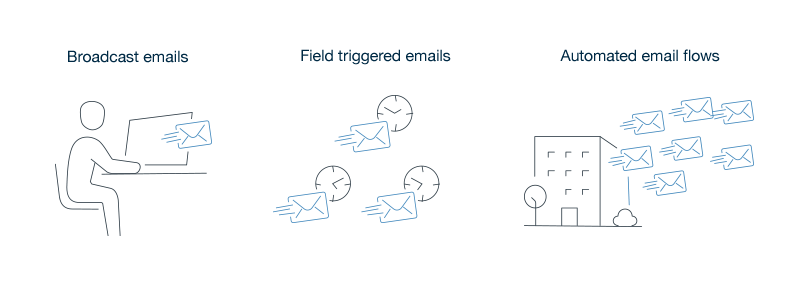
- Title: 3 types of emails every pharma marketer should know about
- Description: We know it is not new. We know it is not the channel that makes everyone in...
- Title: Another lunch meeting. Now what?
- Description: You know the situation.You’ve booked 45 minutes. Lunch is arriving. Every...

- Title: 2 desks available – bring your laptop and good vibes
- Description: From Jan 1, we’ve got two free desks at the Gesundheit office in the Meat...

- Title: Gesundheit was nominated for a PMEA Award
- Description: Every year, PMLiVe rewards "customer-centric business practices that ensure...
- Title: 7 tips for hosting better webinars
- Description: The big thing that pharma marketeers forget about hosting webinars, is the ...
- Title: 4 principles for creating company content on LinkedIn
- Description: LinkedIn is not the channel that will skyrocket HCP communication on social...

- Title: INTERVIEW: The future of pharma marketing
- Description: Our very own Anders Soelgaard had a talk with ex Boehringer Ingelheim Presi...
- Title: 9 takeaways about email marketing
- Description:
We talk a lot about email marketing these days…
And last ...
- Title: Patient lead generation is a different beast
- Description: Last month, we focused on lead generation at congresses – mostly aimed at...
- Title: The day Thomas made the client cry
- Description: Not long ago, Thomas made the client cry…
- Title: We’re Going to Milan!
- Description: The first Study Tour was a full-blown success. We are doing it again. Next ...
- Title: Time to rethink congress exhibitions
- Description: In a time with so many obstacles to HCP access, it’s frustrating to see l...
- Title: Lead generation in pharma marketing doesn’t have to be complicated
- Description:
- Title: Sometimes you do work that just feels right…
- Description:
- Title: The Danish Healthcare Reform: What It Means for Pharma Sales Teams
- Description:
- Title: The Matrix… just for you!
- Description:
- Title: Creativity in small spaces
- Description: Has fact-based communication killed creativity in healthcare marketing?
- Title: See the world with Gesundheit Medical Travel
- Description: Last year, Gesundheit Healthcare Marketing welcomed a new addition to the f...
- Title: Slide deck excellence
- Description: At Gesundheit we make tons of presentations. Mostly PowerPoint. But present...
- Title: Why psychology and design matter
- Description: Prioritizing content is key when telling your story to your customers. We c...
- Title: Q&A: Meet the Gesundheiters
- Description: Trine Ørnebjerg, senior project manager
- Title: CONSENTS before CONTENT?
- Description: Lately, we have spent much time with clients talking and thinking about e-m...
- Title: The 3 Firsts in Pharma Marketing
- Description:
Lately we have been preaching a lot.
Preaching about The 3 Firsts i...
- Title: 10 tips for briefing your healthcare agency
- Description: It is time to turn off the automatic OOO reply ? and get back to cruel dail...